
August 21, 2026
Best Shower Filters for Hard Water That Work
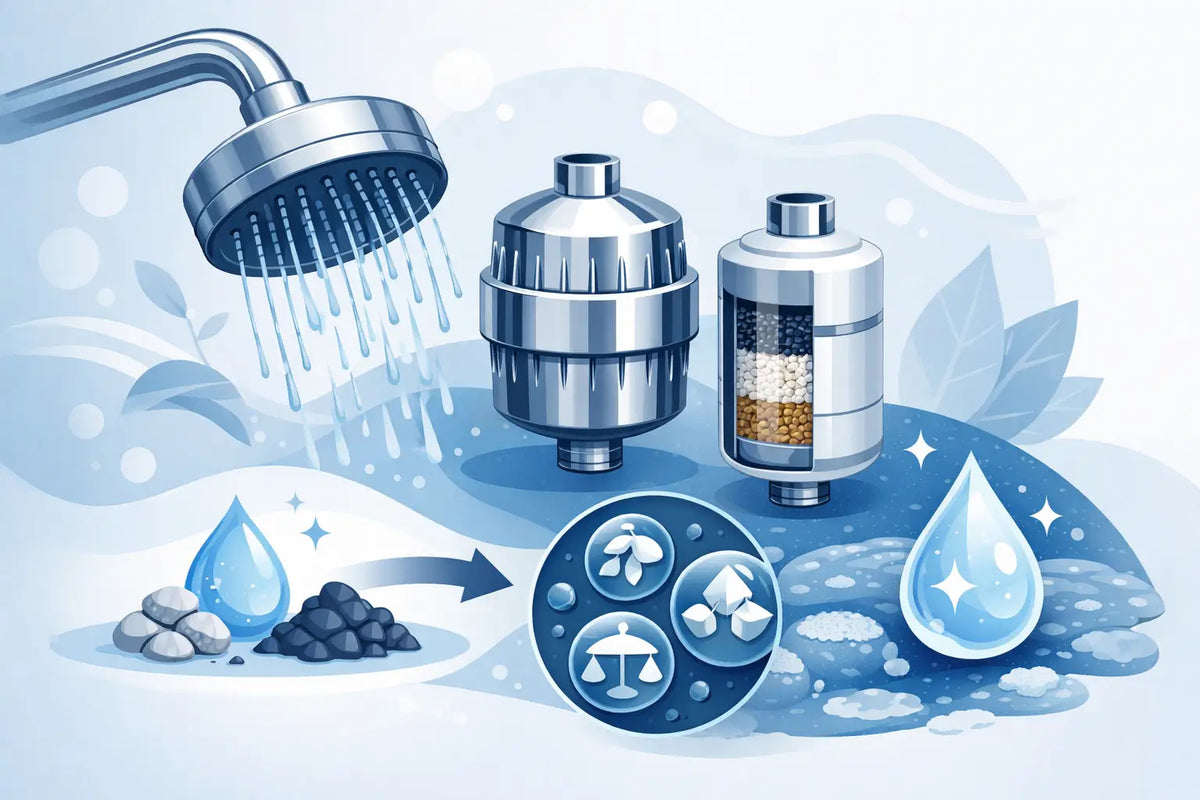
Hard water can make a clean shower feel less than refreshing. If your skin feels tight after bathing, your hair seems dull, or a white crust keeps building up on fixtures, you may be looking for the best shower filters for hard water. The right filter can improve the showering experience, but it is essential to choose it for what it actually does. Most shower filters reduce chlorine, odor, and certain metals. Very few can truly remove the dissolved calcium and magnesium that cause hard-water scale.
That distinction protects your budget and helps you get results you can feel. A shower filter is a practical point-of-use upgrade. A water softener or whole-house treatment system is the more complete answer when hard water is affecting plumbing, appliances, laundry, and every faucet in the home.
What a Shower Filter Can and Cannot Do
Hard water contains elevated levels of dissolved calcium and magnesium. Those minerals are not necessarily a health concern, but they can leave spots on glass, reduce soap lather, create scale inside water heaters, and contribute to dry-feeling skin and hair. Because the minerals are dissolved, they are difficult to remove with the small media bed inside a typical shower filter.
A quality shower filter is usually designed to reduce chlorine or chloramine, unpleasant odor, sediment, and some heavy metals. This matters because municipal disinfectants can contribute to a strong pool-like smell and may leave skin and hair feeling stripped. For many households, removing chlorine is the most noticeable shower-filter benefit.
Some shower filters use media that can slightly improve hard-water symptoms, particularly by conditioning minerals or filtering particulates associated with scale. That is not the same as softening water. If a product promises to completely eliminate hard water from a showerhead-sized cartridge without salt, electricity, or a regeneration process, read the claims carefully.
For homes with moderately hard water and a strong chlorine smell, a shower filter may be exactly the right first step. For very hard water, recurring scale, and appliance damage, it should be viewed as a comfort upgrade alongside a broader treatment plan.
Best Shower Filters for Hard Water: What to Look For
The best choice depends on your water source, the contaminants you want to reduce, your shower setup, and how much maintenance you are willing to handle. Start with the filter media, not just the finish or marketing language on the package.
Multi-stage filtration media
For most city-water homes, a multi-stage shower filter is the strongest all-around option. These cartridges commonly combine activated carbon, KDF media, calcium sulfite, and sediment filtration in layers. Each material has a different job.
Activated carbon can help reduce chlorine, odors, and organic compounds, although standard carbon is less effective when water is hot or when chloramine is the primary disinfectant. KDF media uses a redox process that can help reduce chlorine and certain metals while limiting bacterial growth inside the filter. Calcium sulfite is particularly useful for chlorine reduction and works well at the warm temperatures common in a shower.
A layered cartridge gives homeowners broader protection than a single-media filter. It is a sensible choice when your goal is better-feeling water without overcomplicating installation.
Filters designed for chloramine
Not every municipality disinfects with chlorine alone. Many use chloramine, a more stable combination of chlorine and ammonia. It can be more difficult for conventional shower filters to reduce, especially at high flow rates.
If your local water utility uses chloramine, look for a shower filter that specifically identifies chloramine reduction or includes media suited to that purpose. Do not assume that a filter advertised for chlorine will perform the same way with chloramine. Checking your annual municipal water report can clarify what is in your water before you buy.
In-line shower filters
An in-line filter installs between the shower arm and the showerhead. It is often the simplest option for an existing shower, requiring no permanent plumbing changes. This format works well for homeowners, renters, and property managers who want a straightforward installation and easy cartridge replacement.
The trade-off is appearance and space. The filter body adds length below the shower arm, which may affect head height in a compact shower. In-line filters also need to be installed tightly and checked for leaks after the first use.
Filtered showerheads and handheld systems
A filtered showerhead combines the filter and spray head in one unit. It can be a good fit if you also want to replace an old, low-performing showerhead or improve spray settings. A filtered handheld model adds flexibility for bathing children, washing pets, and rinsing shower walls.
The key question is cartridge capacity. Compact showerheads may use smaller cartridges than full-size in-line systems, so replacement intervals can be shorter. Always compare the stated filter life with your household's water use, then plan to replace the cartridge on schedule.
Cartridge life and flow rate
A filter that is overdue for replacement cannot protect water quality as intended. Most shower filter cartridges are rated by gallons, months of use, or both. A family with multiple daily showers will use that capacity faster than a single-person household.
Flow rate also matters. A high-flow shower can be comfortable, but water moving too quickly through poor-quality media has less contact time for filtration. Look for a system that balances satisfying pressure with a clear, realistic cartridge rating. Low pressure may also point to sediment buildup, a restricted cartridge, or a plumbing issue rather than the filter itself.
When a Shower Filter Is Not Enough
If scale forms quickly on faucets, dishes come out spotted, towels feel stiff, or your water heater has recurring mineral buildup, hard water is a whole-home problem. A shower filter may make bathing more comfortable, but it will not stop mineral deposits inside plumbing or protect appliances.
A conventional ion-exchange water softener is the most reliable way to remove hardness minerals throughout the home. It exchanges calcium and magnesium for sodium or potassium ions, preventing the mineral scale that causes many hard-water problems. A salt-free conditioner can be another option for households focused on scale control, though it does not produce the same true-soft-water feel or remove hardness minerals from the water.
Well-water households should be especially careful not to guess. Hardness may occur alongside iron, manganese, sulfur odor, sediment, or bacterial concerns. Those conditions often require a properly matched whole-house system rather than a single shower filter. Testing the water first helps prevent buying a filter that addresses only one symptom.
How to Choose With Confidence
Begin with the problem you can see or smell. A chlorine odor, dry-feeling skin, and brittle hair on municipal water point toward a multi-stage shower filter with strong chlorine reduction. Visible scale and spotting point toward hardness, which may call for treatment beyond the shower. A sulfur or rotten-egg smell, orange staining, or black residue should prompt water testing before selecting equipment.
Then consider your installation. An in-line unit is the easiest way to keep a showerhead you already like. A filtered showerhead is convenient when you want a complete refresh. For rental properties, choose a system that installs without specialized tools and uses readily available replacement cartridges.
Finally, plan for maintenance before you buy. Keep a replacement cartridge on hand, write down the installation date, and replace it based on the manufacturer's capacity guidance. Regular maintenance is what turns a shower filter from a short-lived improvement into dependable daily protection.
A Better Shower Starts With the Right Scope
A shower filter can be a smart, affordable solution for chlorine, odor, and a harsher showering experience. It can also complement a whole-house system by adding a final layer of comfort where your family uses water most personally. At Pure Water Guys, the goal is not to sell more equipment than you need. It is to match the treatment to the water problem, the property, and the result you expect.
If hard water is limited to minor spotting and shower discomfort, start with a quality multi-stage filter and maintain it consistently. If scale is following you through the entire house, treat the source. Your skin, fixtures, and plumbing will all benefit from the right decision.