
November 05, 2026
How a Car Wash Reverse Osmosis System Works: Pre-Filtration, Membrane, and Sizing by GPD
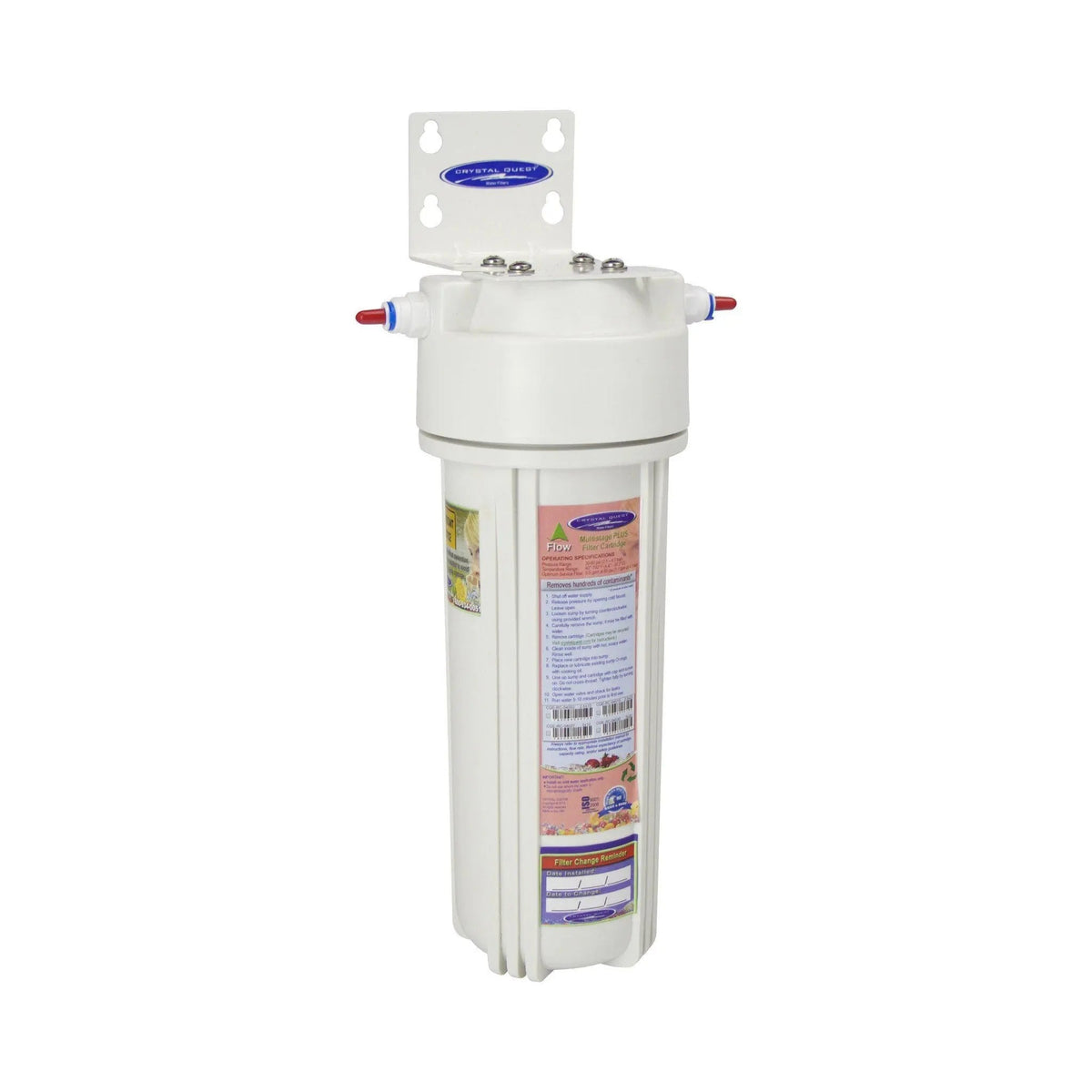
"Car wash RO system" gets searched a lot, but most explanations stop at "it makes spot-free water." That's true, but it skips the part operators actually need to know before they buy one: what's happening inside the system, what protects the membrane, and how to size it so you're not running out of spot-free water on your busiest day.
What a Car Wash RO System Actually Does
Reverse osmosis forces incoming water through a semi-permeable membrane under pressure. Dissolved solids (TDS) that cause water spots can't pass through the membrane, so the water that comes out the other side is low-TDS and dries spot-free on paint and glass. The water that doesn't pass through, carrying the rejected minerals, exits separately as reject or concentrate water.
That's the whole principle. Everything else in a commercial system exists to protect that membrane and deliver enough treated water, fast enough, for your bay or tunnel.
Inside the System: Pre-Filtration, Membrane, Storage, Reject
A commercial RO setup has four functional stages:
- Pre-filtration - sediment and chlorine/chloramine removal ahead of the membrane. Sediment causes physical fouling; chlorine degrades most RO membranes outright.
- The membrane itself - the stage that actually separates low-TDS permeate from high-TDS reject water.
- Storage tank(s) - RO produces water slower than a spray gun demands it, so treated water is produced continuously and stored for use in bursts during the rinse cycle.
- Reject water line - the concentrate stream has to go somewhere. Where that water drains to, and whether your site needs a reclaim tank or has discharge requirements, is a plumbing and permitting question for your site engineer, not a water treatment one. That's outside what we sell or advise on.
Why Pre-Filtration and Softening Come Before the Membrane
RO membranes are the most expensive, hardest-to-replace component in the system. Hard water minerals (calcium, magnesium) scale the membrane surface and reduce both its output and its lifespan. Sediment clogs it. Chlorine breaks down the membrane material itself.
That's why a membrane should never see raw city or well water directly. Depending on your source water hardness, the pre-treatment stage ahead of an RO system is either a water softener or a salt-free anti-scale system, paired with sediment/carbon filtration. For most single-bay and mobile setups, a commercial single inline water filter or triple inline filter handles sediment and chlorine ahead of a smaller system. For higher-hardness source water feeding a larger RO unit, a light commercial water softener is the more common path. Skip this stage and you'll be replacing membranes far more often than the system's rated lifespan suggests.
Sizing an RO System to Your Spot-Free Rinse Demand
RO output is rated in gallons per day (GPD), but what matters operationally is whether your storage tank and production rate can keep up with peak rinse demand - your busiest hour on your busiest day, not your average. Undersize it and you run dry on spot-free water during a rush. Oversize it and you've paid for membrane capacity and storage you don't use.
Our Commercial Mid-Flow RO System covers 500-7,000 GPD, which is the range most self-serve bays, single-tunnel sites, and mobile detailing operations fall into. The right number inside that range depends on your rinse flow rate, how many bays or arches pull from the same system, and how much storage buffer you want between fill cycles. If you want the math worked out for your specific setup rather than a rule of thumb, our RO pricing and sizing guide walks through it in more detail.
Where This Fits in the Bigger Picture
An RO system is one stage in a full spot-free water setup - it doesn't replace pre-filtration or softening, it depends on them. If you're building out the full stack for a new or retrofit site, our car wash water systems buyer's guide covers how the stages work together, and the car wash filtration hub has the full product lineup.
If you know your rinse flow rate and source water hardness, we can help you land on the right RO size and pre-treatment combination instead of guessing. Request a quote and tell us about your site - we'll size it from there.