
September 03, 2026
Car Wash Softener vs. Anti-Scale System: Which One Actually Fits Your Site?
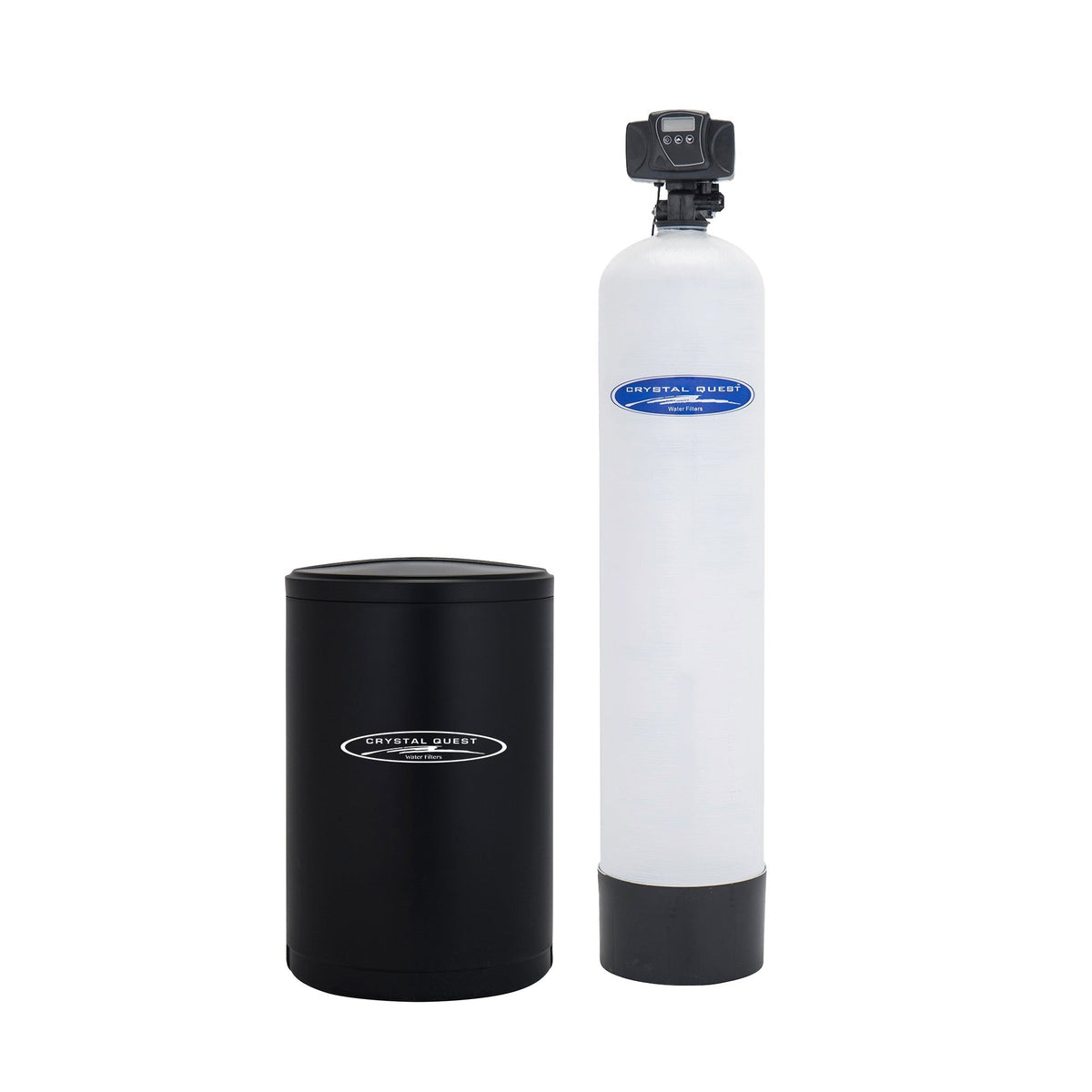
Every car wash operator dealing with hard water eventually asks the same question: soften it or just stop it from scaling? The answer isn't about which technology is "better" - it's about your flow volume, your plumbing, and whether a softener's regeneration cycle is even practical at your site. Here's how to actually make that call.
Two Different Jobs, Not Two Versions of the Same Product
A water softener removes calcium and magnesium from the water through ion exchange, replacing hardness minerals with sodium. It regenerates on a schedule, uses salt, and produces a brine discharge during that regeneration cycle.
A salt-free anti-scale system doesn't remove hardness minerals at all. It conditions them so they don't bond to surfaces and form scale on equipment, pumps, heaters, and nozzles. No regeneration, no salt, no brine cycle. The hardness is still in the water - it's just been altered so it passes through without depositing.
That difference in mechanism is the whole decision. It's not a matter of picking the stronger option; it's picking the one that matches how your site actually operates.
When a Car Wash Softener Makes Sense
Softeners earn their keep at lower-volume sites: self-serve bays, single-wand mobile setups, or smaller in-bay automatics where actual hardness removal matters for spotting and soap performance, not just equipment protection. If you need water that's genuinely soft - not just non-scaling - a softener is the only one of these two that gets you there.
For that flow range, a light commercial softener rated for 30,000-60,000 grains is sized for exactly this kind of operation. It's a straightforward install, regenerates on a normal cycle, and doesn't require the plumbing changes a high-flow system would.
When Volume or Site Limitations Push You Toward Anti-Scale
Tunnels and high-throughput sites run into a physical limit with softeners: resin beds can only process so much water before they need to regenerate, and at 20-100 GPM continuous flow, that regeneration frequency becomes a maintenance and downtime problem. A softener sized for that volume also means a lot of salt and a lot of brine leaving the building.
That brine discharge is where some operators run into a wall before they even get to flow rate. A number of municipalities and water districts restrict or limit softener brine discharge for commercial accounts. We're not in a position to advise on local discharge rules or permitting - that's a conversation for your water utility or a plumbing engineer, not something in our product lane. What we can tell you is that if brine discharge is a known issue in your area, or if your site simply can't support a regeneration cycle at that flow rate, a salt-free system removes that variable entirely.
For that use case, a commercial salt-free anti-scale system rated for 20-100 GPM is built for continuous high-volume flow without a regeneration schedule to manage.
What Anti-Scale Systems Don't Do
Be clear-eyed about the tradeoff: anti-scale conditioning protects your equipment from scale buildup, but it doesn't produce soft water for rinse quality the way a softener does. If your final rinse or reclaim stage needs actual hardness removal for spot-free results, that's a separate conversation - usually involving RO, which is covered in detail in our car wash buyer's guide.
Sizing It to Your Site, Not the Other Way Around
The mistake we see most is picking based on price instead of flow rate and site constraints. A softener sized for a self-serve bay won't survive tunnel volume, and a full anti-scale system is overkill for a single mobile detailing rig. Start with your actual GPM and your local discharge situation, then match the equipment to it. Our car wash water filtration systems page breaks down how these stages typically stack together by site type.
If you're not sure which side of this decision your site falls on, send us your flow rate and current setup through our quote request form and we'll size it correctly the first time.