
November 12, 2026
Pressure Washer Water Softener: Why It Goes Before the Pump, Not After
Hard water doesn't care if you're running a $400 consumer pressure washer or a $15,000 hot-water rig on a mobile detailing trailer. Calcium and magnesium build up anywhere water sits still or heats up, and pressure washers give it plenty of both. If your spray pattern is uneven, your unloader sticks, or your "clean" surfaces dry with white spotting, the problem usually isn't the soap or the nozzle tip. It's the water going into the machine.
What Hard Water Actually Does to the Equipment
Three failure points show up over and over in hard water setups:
- Pump heads and seals — scale builds up inside the pump chamber, reducing output pressure and accelerating wear on plungers and packing.
- Unloader valves — these depend on tight tolerances to regulate bypass pressure. Mineral deposits make them stick open or closed.
- Nozzles and orifices — small openings scale shut first, which shows up as a weaker, inconsistent spray pattern long before anything "breaks."
On top of equipment wear, hard water leaves mineral spotting on glass, chrome, and dark paint as it evaporates. Soap and technique can't fix that — it's a water chemistry problem, not a wash-process problem.
Softener Placement: Before the Pump, Always
A softener for a pressure washer setup goes on the incoming, low-pressure supply line — before the pump, not after it. Softening resin isn't built to handle pressure washer discharge pressure, and running treated water backward through a softener bed will damage the resin and the tank. The pump should always be pulling from already-softened water, not pushing water through a softener on the output side.
This also means the softener has to be sized for your incoming supply pressure and flow, not your machine's rated output pressure. Supply-side conditioning and pressure-side performance are two different jobs.
Match the Softener's Flow Rate to Your Machine's GPM
This is where a lot of operators get it wrong. A softener rated for a single wand at 4 GPM will bottleneck a tunnel feed pulling 20+ GPM, and undersized flow through resin reduces softening performance even if the unit is otherwise "working." Before buying anything, know your machine's actual GPM draw — check the pump spec plate, not the marketing number on the box — and size the softener (or filtration ahead of it) to match or exceed that draw.
Picking the Right Product for Your Setup
What you need depends on scale:
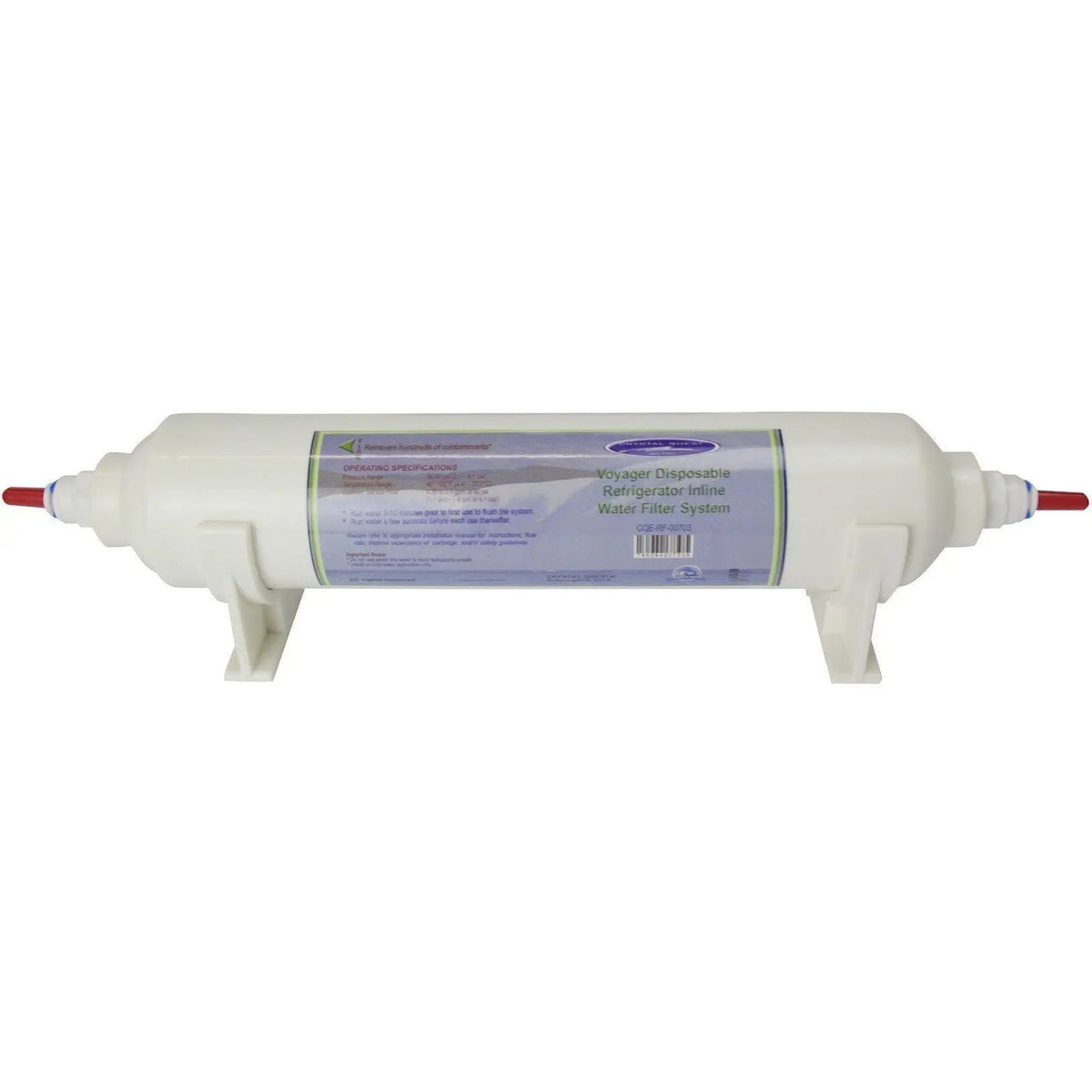
- Mobile detailing rigs and single-wand setups running off a tank or hose bib typically do fine with a point-of-use inline filter ($44.95) for sediment and chlorine, paired with softened fill water where hardness is a known issue.
- Fixed-site operations with higher hardness and consistent flow demand are better served by a Light Commercial Softener (30,000–60,000 grains), sized to your incoming GPM and hardness level.
If you're also dealing with sediment, iron, or chlorine taste/odor in addition to hardness, pre-filtration ahead of the softener extends resin life and keeps the bed from fouling prematurely. For full-site setups that combine pressure washing with wash bays or RO rinse systems, see the Car Wash Water Filtration Systems hub page for how softening, filtration, and RO stages fit together.
What's Outside Our Lane
We treat incoming water — softening, filtration, and RO. We don't engineer reclaim tank plumbing, size discharge piping, or advise on wastewater permitting. If your setup involves reclaim or discharge compliance, that's a conversation for a plumbing engineer or your local regulatory authority — our recommendations stop at the treatment equipment itself.
If you're not sure whether your pressure washer needs a softener, an inline filter, or both, send us your GPM, incoming hardness (grains per gallon, if you have it), and machine type. Request a quote and we'll size the right equipment instead of guessing.