
November 13, 2026
Shower Filter Comparison: Find Your Best Fit
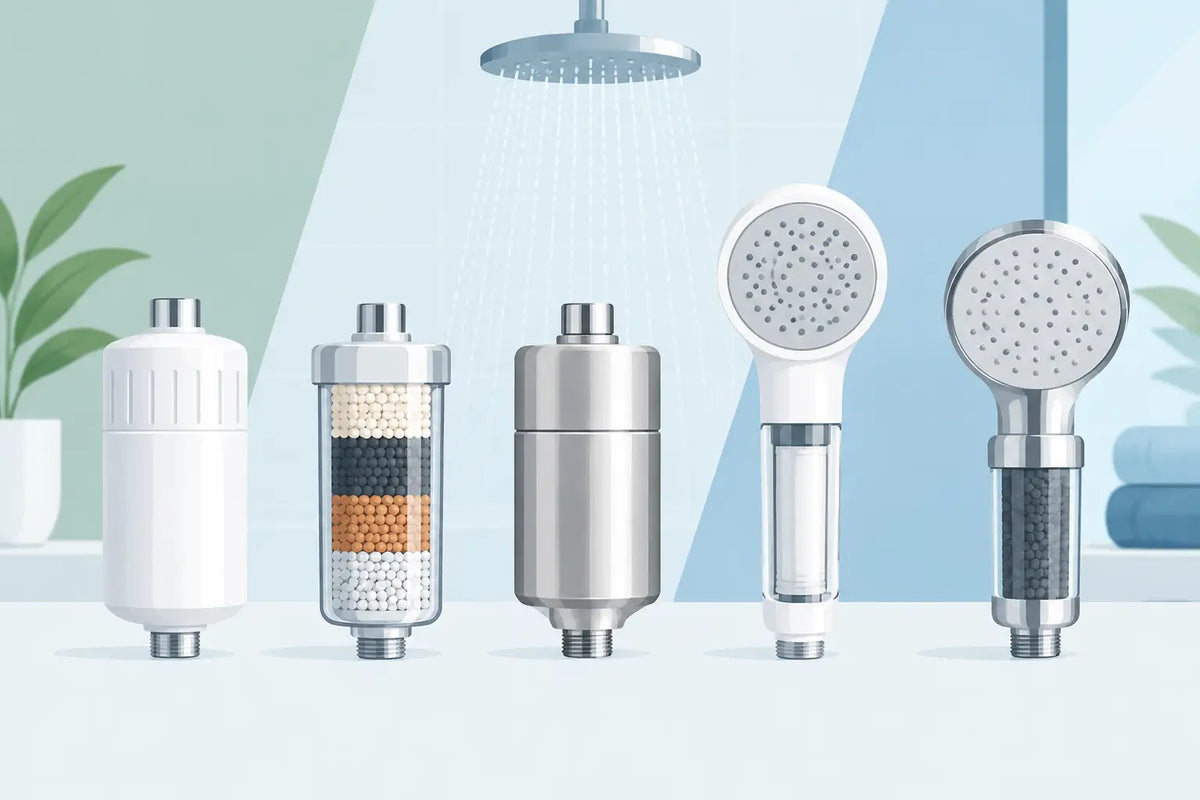
A shower filter comparison should start with what you notice when the water hits your skin - not with the most dramatic claim on the package. If your shower smells like a pool, leaves skin tight and hair dull, or makes the bathroom steam smell chemical, reducing chlorine and related odor-causing compounds may help. If you have white scale on fixtures and glass, however, you may be dealing with hardness, which is a different problem with a different solution.
The right shower filter can make daily bathing more comfortable and help protect your showerhead from certain sediment and scale-related issues. But it is not a replacement for a whole-house system when your water has significant hardness, iron, sulfur, microbial concerns, or a confirmed contaminant that requires specialized treatment. Choosing well means matching the filter type to the water problem, your shower setup, and the maintenance you are willing to keep up with.
Start With the Water Problem
Municipal water is commonly disinfected with chlorine or chloramine. Chlorine often produces the familiar swimming-pool smell and can be reduced effectively by many shower filters using activated carbon and redox media. Chloramine is more stable and may require a filter specifically designed and rated for chloramine reduction. Do not assume every shower filter handles both equally.
Well water presents a different set of decisions. A rotten-egg odor may point to hydrogen sulfide, while orange staining can indicate iron. Sediment, bacteria, and changing seasonal water conditions can also affect performance. A point-of-use shower filter may improve the bathing experience in limited situations, but it cannot diagnose or fully solve well-water treatment needs. Testing the water before selecting equipment protects your family and prevents a frustrating purchase.
Hard water deserves special attention. Shower filters may include media that can modestly address scale-forming conditions or improve how water feels, but they do not provide the sustained ion exchange of a true water softener. If scale is building on faucets, shower doors, water heaters, and appliances throughout the house, consider a whole-house softener or salt-free conditioner based on your goals and water chemistry.
Shower Filter Comparison by Filter Media
Most products fall into a few practical categories. The media inside matters more than a long list of vague benefits.
Activated Carbon Filters
Activated carbon is widely used because it can reduce chlorine, unpleasant taste and odor compounds, and some organic contaminants under the right conditions. In a shower application, contact time is short and water may be warm, so cartridge design and flow rate matter. Carbon-based filters are a sensible fit for many city-water homes with a clear chlorine odor.
Their limitation is that not all carbon performs the same way against chloramine. If chloramine is your concern, look for a product that clearly identifies chloramine reduction rather than relying on a general chlorine claim.
KDF and Redox Media Filters
KDF-type media uses a copper-zinc redox process that can help reduce free chlorine and may help manage certain heavy metals under specified conditions. It is frequently combined with carbon to create a more balanced shower cartridge. This combination is often a strong choice for households seeking chlorine reduction, odor improvement, and a filter media designed to resist bacterial growth within the cartridge.
Performance still depends on flow rate, incoming water quality, and replacement timing. A larger cartridge generally offers more media and potentially longer service life, but only if it fits your shower configuration and household use.
Vitamin C Filters
Vitamin C media is known for neutralizing chlorine and chloramine. It can be useful for people specifically focused on disinfectant residuals, especially where chloramine is used. These filters can be a good match for renters and homeowners who want a straightforward, shower-level solution without changing plumbing.
The trade-off is cartridge life. Vitamin C media may be consumed more quickly than other filter media, particularly in high-use households. Check the stated capacity and plan for consistent replacements instead of waiting until odor returns.
Multi-Stage Cartridges
Many shower filters combine sediment screens, carbon, KDF-type media, calcium sulfite, ceramic balls, or other materials. Multi-stage does not automatically mean better. What matters is whether the stages address your actual concern and whether the manufacturer provides clear specifications for flow, capacity, and contaminant reduction.
Be cautious with products that promise to soften water completely, remove every contaminant, increase pressure, and last a year at a low price. Water treatment has physical limits. A dependable system makes specific, supportable claims and tells you when to replace the cartridge.
Compare the Filter Housing, Not Just the Claims
A shower filter’s installation style affects convenience, compatibility, and ongoing cost. Inline filters install between the shower arm and your existing showerhead. They are popular because they allow you to keep a preferred showerhead and usually provide room for a larger cartridge.
Filtered showerheads combine the filter and showerhead in one unit. They can be a clean, simple option when you also want to replace an aging showerhead. Before buying, confirm the spray pattern, connection type, and whether replacement cartridges are readily available.
Handheld shower filters are useful for families bathing children, washing pets, or directing water where it is needed. Their hoses and connections create additional points to inspect, so choose durable fittings and avoid overtightening threaded parts during installation.
For most homes, standard shower connections make installation manageable without a plumber. Use plumber’s tape where appropriate, hand-tighten first, and check for leaks before normal use. If your shower arm is corroded, unusually short, or recessed behind tile, an inline filter may need an adapter or professional help.
What to Look for in a Shower Filter Comparison
When comparing models, focus on the details that determine real-world performance:
- Water issue addressed: Look for specific support for chlorine, chloramine, sediment, odor, or another identified concern.
- Flow rate: A filter should preserve a comfortable shower experience. Very restrictive media can reduce flow, especially where household pressure is already low.
- Cartridge capacity: Compare the rated gallons or months of service, then adjust for the number of people using the shower and how long they bathe.
- Replacement cost and availability: A lower upfront price is less valuable if replacement cartridges are expensive or difficult to find.
- Clear documentation: Trust filters with straightforward performance information, compatible replacement parts, and realistic maintenance instructions.
When a Shower Filter Is Not Enough
A shower filter treats water at one fixture. That is exactly why it is affordable and easy to install, but it also defines its limits. If hard water is spotting every surface and shortening appliance life, whole-house conditioning or softening is the more complete path. If water has a strong sulfur smell, iron staining, cloudiness, or well-water bacteria concerns, start with water testing and a properly sized whole-home system.
The same principle applies to emerging contaminants such as PFAS. A shower filter should not be treated as a complete PFAS strategy unless it has testing and documentation supporting that specific use. For drinking water concerns, an under-sink system or reverse osmosis system may be the better fit. For broader household protection, a whole-house solution may be appropriate.
Pure Water Guys helps customers sort through these distinctions before they buy. A short conversation about your water source, symptoms, household size, and existing equipment can prevent buying a filter that solves only part of the problem.
Choose for the Shower You Use Most
The best shower filter is not necessarily the one with the most stages or the longest marketing list. It is the one that targets the condition in your water, fits your shower without hassle, maintains satisfying flow, and has a cartridge schedule you will actually follow. For chlorine-heavy city water, a well-specified carbon, KDF, or vitamin C option may be the right everyday upgrade. For scale, staining, or well-water concerns, let the shower symptoms point you toward a broader treatment plan.
Clean, comfortable shower water should feel like a practical improvement, not another maintenance mystery. Start with the problem you can identify, choose equipment built for that problem, and replace the cartridge before performance fades.