
June 09, 2026
Best Reverse Osmosis Drinking Water System for Home
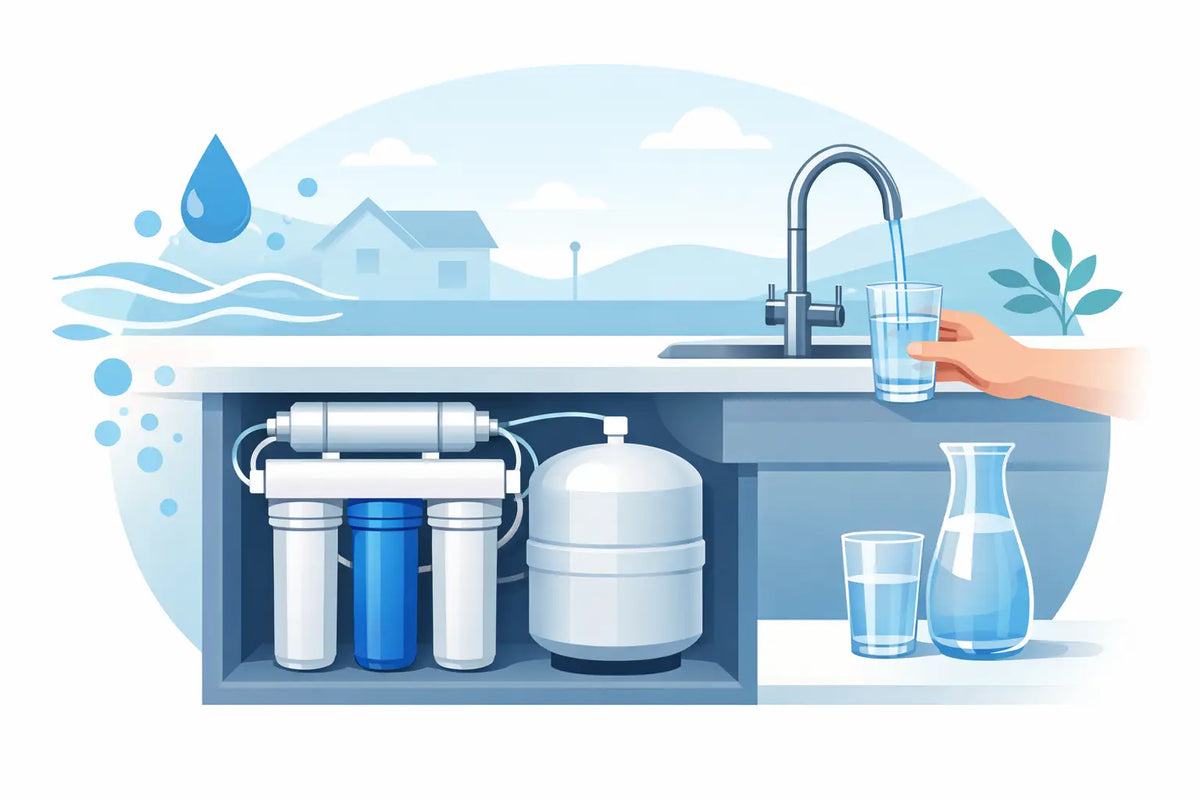
That glass of water from your kitchen sink can look perfectly clean and still leave you questioning the taste, the odor, or what may be in it. If you are shopping for a reverse osmosis drinking water system for home use, you are usually not looking for theory. You want safer, better-tasting water, a system that fits your space, and clear guidance on what actually solves your problem.
For many households, reverse osmosis is the right answer because it addresses a wide range of concerns at the point where drinking and cooking water matter most. But not every home needs the same setup, and not every RO system performs the same way. The right choice depends on your water source, your contaminant concerns, your daily usage, and how much convenience you want built into the system.
Why homeowners choose a reverse osmosis drinking water system for home use
A reverse osmosis system is designed to reduce dissolved contaminants that many standard filters do not handle as effectively. That includes things like total dissolved solids, certain heavy metals, fluoride, nitrates, and other unwanted compounds that can affect taste, odor, and overall water quality. For families focused on drinking water quality, that is a major step up from basic carbon filtration alone.
The biggest reason homeowners choose RO is confidence. Chlorine taste is one thing. Worrying about PFAS, lead, arsenic, or elevated TDS is something else entirely. A properly matched system gives you a more targeted solution for water you drink, cook with, and give to your family every day.
There is also a practical side. Bottled water gets expensive fast, takes up space, and creates constant reordering and disposal. A home RO system gives you a dedicated supply of treated water right at the sink, and in many cases to a connected refrigerator line as well.
What a home RO system actually does
Most residential RO systems use multiple filtration stages. A sediment filter helps capture dirt, rust, and larger particles. Carbon prefilters reduce chlorine and organic compounds that can damage the membrane or affect taste. The RO membrane then does the heavy lifting by reducing many dissolved contaminants at a much finer level. A final polishing filter improves taste before the water reaches your faucet.
Some systems add more stages, but more is not automatically better. What matters is whether the system is built to solve the issue you actually have. If your main complaint is chlorine taste, a simpler filter may be enough. If you are concerned about PFAS, nitrates, arsenic, or high TDS, reverse osmosis deserves a serious look.
When reverse osmosis makes the most sense
RO is a strong fit for city water homes dealing with taste, odor, or emerging contaminant concerns. It is also common in homes where families want a dedicated drinking water line separate from whole house treatment. If you already have a whole house carbon filter or softener, an under-sink RO system can complement that setup by focusing on the water you consume directly.
For well water, the answer is more conditional. Reverse osmosis can be excellent, but only if the feed water is properly pretreated. High iron, manganese, hydrogen sulfide, sediment, or bacteria can shorten membrane life or reduce performance. In that case, the best path is often a staged solution rather than dropping an RO system under the sink and hoping for the best.
How to choose the right reverse osmosis drinking water system for home needs
The first question is simple: what problem are you solving? If the issue is bad taste and odor from municipal chlorine, many homeowners start with RO because they want broader protection, not just better flavor. If the issue is specific contamination, you need a system designed around that concern, backed by the right performance claims.
The second question is capacity. A smaller household with moderate water use may do well with a standard under-sink tank system. A larger family, a home with heavy cooking needs, or anyone who dislikes waiting for refill rates may prefer a higher output design. Tankless RO systems are attractive for their faster flow and compact footprint, but they are not automatically the best option in every installation.
The third question is space and plumbing. Some under-sink cabinets are tight, especially if you already have a garbage disposal, pullout trash, or other accessories. Traditional systems with a storage tank often need more room. Tankless units save space, but they can be more sensitive to inlet pressure and may have different maintenance needs.
Tank vs. tankless RO systems
A tank-based RO system stores purified water in a pressurized tank so it is ready when you open the faucet. These systems are proven, widely used, and often cost less upfront. For many homes, they strike the best balance between performance and value.
Tankless systems purify water on demand and usually recover faster. They often take up less cabinet space and may waste less water depending on the design. On the other hand, they can come at a higher purchase price, and performance depends more heavily on feed water pressure and installation conditions.
This is where the right recommendation matters. If your priority is budget-friendly reliability, a well-built tank system may be the better fit. If your priority is modern design, faster dispensing, and a cleaner under-sink layout, tankless may be worth the premium.
Important trade-offs to understand
Reverse osmosis is highly effective, but it is not magic. Most systems produce some wastewater as part of the purification process. The amount varies by design, and newer systems are often more efficient, but it is still a factor.
RO also slows down water production compared with a basic faucet filter. That is normal. The trade-off for finer filtration is a more deliberate treatment process.
Another consideration is remineralization. Because RO removes many dissolved solids, some homeowners prefer the cleaner, lighter taste, while others want minerals added back in for flavor. Neither preference is wrong. It comes down to what tastes right to you and what system design you prefer.
Don’t ignore your incoming water conditions
A good RO system can still disappoint if the incoming water is not suitable for it. Low water pressure can reduce production. Very hard water can cause scaling on the membrane. High chlorine levels can shorten membrane life if prefiltration is weak. Well water with sediment or iron often needs treatment ahead of the RO unit.
This is why water testing and application matching matter. The best product on paper is not the best product for your home unless it fits your water conditions. PureWaterGuys approaches that decision the right way by matching solutions to the actual problem instead of pushing a one-size-fits-all system.
Maintenance is part of performance
Homeowners sometimes focus only on the initial purchase, but maintenance is what keeps an RO system working as expected. Prefilters and postfilters usually need replacement more often than the membrane. The exact schedule depends on water quality and usage, but timely filter changes protect performance and help preserve water taste.
If you want the easiest ownership experience, look for systems with straightforward cartridge changes, clear service intervals, and readily available replacements. A system that is slightly less flashy but easier to maintain is often the smarter buy over time.
What to look for before you buy
Focus on real fit, not just marketing language. Look at contaminant reduction claims, daily production rate, storage or flow design, replacement filter availability, and installation requirements. If you want to feed a refrigerator or ice maker, confirm the system can support that application. If your concern is a specific contaminant category such as PFAS or nitrates, make sure the system is positioned for that use rather than assumed to be.
It also helps to buy from a company that can support you after the sale. Water treatment is not just about product selection. It is about getting the right answer the first time, knowing what maintenance looks like, and having expert guidance available if your water conditions change.
The best reverse osmosis drinking water system for home use is the one that matches your water, your household, and your expectations without forcing compromises you did not plan for. Cleaner taste, more confidence at the tap, and a system you can live with day after day matter more than chasing the highest stage count. Start with the problem you want solved, and the right system becomes much easier to choose.