
June 26, 2026
How to Remove Chlorine From Tap Water
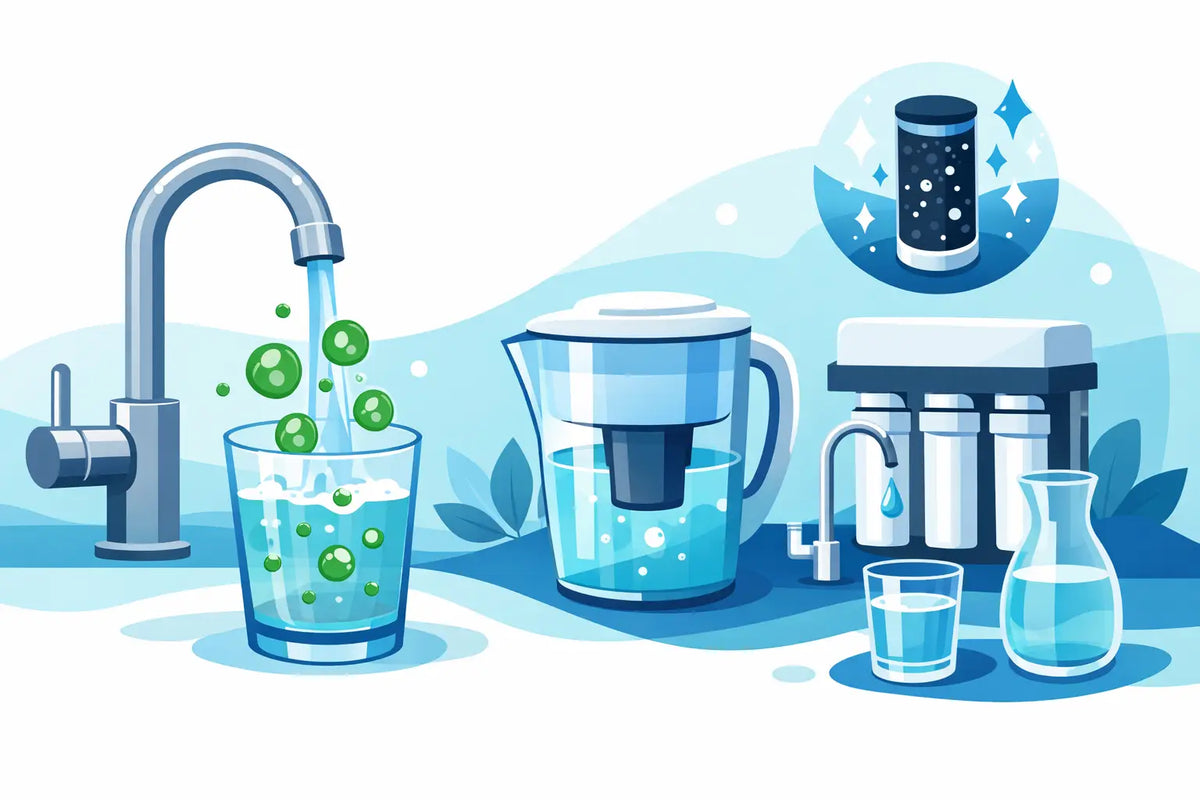
That sharp pool-like smell when you fill a glass from the sink is usually chlorine doing its job. Municipal water systems add it to disinfect water and control harmful microbes, but many homeowners still want to know how to remove chlorine from tap water for better taste, odor, skin comfort, and overall water quality at home.
The right solution depends on where the chlorine is bothering you most. If it is only noticeable in drinking water, a point-of-use filter may be enough. If you are dealing with dry skin, shower odor, laundry issues, or a chemical smell throughout the house, a whole house system is usually the better fit. The key is matching the method to the problem instead of buying more filtration than you need or less protection than you expect.
Why chlorine is in tap water in the first place
Chlorine is widely used by city water systems because it is effective, affordable, and proven for disinfection. It helps reduce bacteria and other microorganisms as water travels from the treatment plant to homes, apartments, restaurants, and commercial buildings. From a public health standpoint, that matters.
But disinfection and customer preference are not the same thing. Even when chlorine levels are within legal limits, people often notice the taste and smell right away. Some households also find that chlorinated water is harder on hair, skin, beverages, and cooking. In commercial settings, chlorine can affect the taste profile of coffee, tea, fountain drinks, and ice.
There is one more wrinkle. Some utilities use chloramine instead of free chlorine, or they switch between disinfectants seasonally. Chloramine is more stable and does not dissipate as easily. That difference matters because some removal methods that work on chlorine do very little for chloramine.
How to remove chlorine from tap water at home
If your goal is better-tasting water fast, there are a few proven approaches. The simplest is activated carbon filtration. Carbon is the standard choice for chlorine reduction because it adsorbs chlorine compounds effectively and improves taste and odor without making water service complicated.
You will see activated carbon in pitcher filters, faucet filters, under-sink systems, refrigerator filters, shower filters, and whole house filtration systems. The difference is not whether carbon works. The difference is contact time, media quality, flow rate, and how much water the system is expected to treat.
Letting water sit out can help with free chlorine in some cases. If you leave a container of water uncovered, some chlorine may dissipate over time. Boiling water can also reduce free chlorine faster. Those methods are inexpensive, but they are limited, inconsistent, and not practical for whole-home use. They also do not address other contaminants, and they are generally ineffective for chloramine.
Vitamin C neutralization is another niche option, mostly used in specialty shower products or certain treatment applications. It can work, but it is not the first choice for most households because cartridge life, maintenance, and overall capacity may not be as practical as a properly sized carbon-based system.
The best filter types for chlorine removal
Under-sink and drinking water filters
For many households, the biggest complaint is taste. Water smells fine in the shower, but drinking it straight from the tap is unpleasant. In that case, an under-sink carbon filter or reverse osmosis system often makes the most sense.
A dedicated under-sink carbon filter is a straightforward option if chlorine is the main issue. It improves drinking and cooking water without changing the rest of the home. Reverse osmosis systems typically include carbon stages as part of the treatment process, so they can also reduce chlorine while addressing a wider range of dissolved contaminants. That broader performance is a benefit if chlorine is only one part of the water quality picture.
The trade-off is scope. Point-of-use systems treat specific faucets, not every shower, appliance, or water line in the building.
Whole house filters
If you notice chlorine in showers, baths, laundry, and every tap, a whole house carbon filtration system is usually the better answer. This type of system is installed where water enters the property, so it treats the water before it reaches the rest of the plumbing.
That gives you broader protection and a more consistent experience throughout the home. It can also support appliance longevity by reducing chemical exposure to valves, seals, and internal components. For families focused on comfort as much as drinking water quality, whole house filtration is often the most complete upgrade.
Sizing matters here. A small system may perform well in a one-bath home but struggle in a larger household with multiple bathrooms and higher peak demand. Flow rate, media volume, and tank size should line up with the property, not just the price tag.
Shower filters
A shower filter can be a practical middle-ground option if your main concern is skin, hair, or chlorine odor during bathing. It is more targeted than a whole house system and easier to install than many larger systems.
That said, not all shower filters perform equally, and claims can be overstated. Hot water, short contact time, and changing water chemistry all affect real-world performance. A good shower filter can help, but if chlorine is present throughout the property, it is usually a partial fix rather than a complete one.
Chlorine vs. chloramine: why the difference matters
When people ask how to remove chlorine from tap water, they are sometimes actually dealing with chloramine. Both are disinfectants, but chloramine is harder to remove and requires more careful filter selection.
Standard carbon can reduce chlorine very well. Chloramine often requires catalytic carbon or a system specifically designed and sized for chloramine reduction. If you choose the wrong media, you may still notice taste and odor issues even after installing a filter.
This is where a recent water quality report or a basic water test becomes useful. You do not need a chemistry degree to make a good decision, but you do need to know what your utility is using. For homeowners and facility managers, that one detail can prevent a costly mismatch.
How to choose the right solution for your property
Start by defining the problem clearly. If the issue is limited to drinking water taste, focus on a drinking water filter or reverse osmosis system. If chlorine affects bathing, laundry, and water throughout the property, look at whole house filtration. If your water provider uses chloramine, confirm that the system is built for it.
Then think about usage. A single-family home, a vacation property, a coffee shop, and a light commercial facility all place different demands on a filter. The right system for a small condo may be completely wrong for a busy restaurant.
Maintenance also matters. Every chlorine reduction system needs replacement media or cartridges eventually. A lower-priced unit with frequent cartridge changes can become more expensive over time than a properly sized system with longer service intervals. Good water treatment is not only about what the system removes on day one. It is about steady performance over months and years.
Installation should be part of the decision too. Some point-of-use filters are simple enough for a confident homeowner. Whole house systems and larger commercial units may need professional installation, especially if flow rate, pressure, bypass plumbing, or prefiltration need to be addressed.
Common mistakes to avoid
The biggest mistake is assuming every filter removes chlorine equally well. Many products mention taste and odor improvement, but that is not the same as strong chlorine reduction under your actual flow conditions.
Another common issue is ignoring water chemistry beyond chlorine. If you also have sediment, hard water, sulfur, iron, or PFAS concerns, a single carbon filter may not solve the full problem. Layered treatment is common in real homes and businesses because water problems rarely show up one at a time.
It is also easy to underestimate capacity. A filter that works fine for one sink can fail to keep up with a larger family or a property with heavy daily use. And if your utility uses chloramine, choosing a chlorine-only solution often leads to disappointment.
When expert help is worth it
If you are choosing between a shower filter, under-sink system, reverse osmosis unit, or whole house carbon tank, the best answer comes from matching the system to your water source, property size, and goals. That is especially true for larger homes, mixed water issues, and commercial applications.
Pure Water Guys works with both homeowners and businesses that need more than a generic filter recommendation. Whether the goal is cleaner drinking water, better whole-home comfort, or a system built to scale for a facility, the right guidance can save time and avoid a poor fit.
Clean water should feel straightforward. If chlorine is the reason you avoid drinking from the tap or notice that chemical smell every time the shower turns on, there is a proven solution - and the best one is the one sized for the way your property actually uses water.