
May 16, 2026
Private Well Water Treatment: A Homeowner's Complete Guide
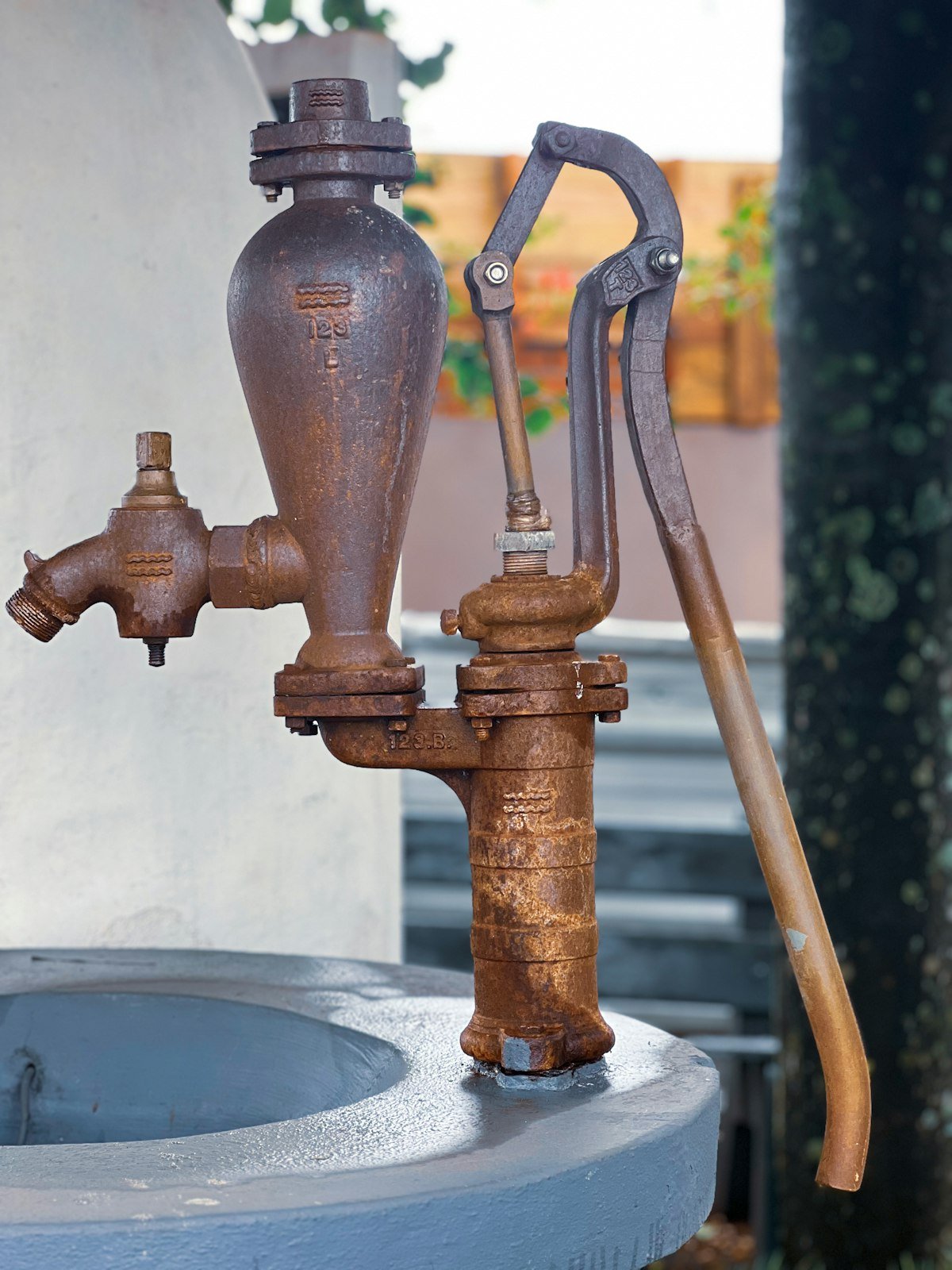
More than 43 million Americans get their drinking water from private wells — with zero federal regulation, zero mandatory testing, and zero automatic treatment. If you're one of them, water quality is entirely your responsibility. This guide covers everything you need to know.
Why Well Water Is Different
Municipal water systems are regulated under the Safe Drinking Water Act, which requires utilities to test regularly, treat contaminants above legal limits, and publish annual quality reports. None of that applies to private wells. The EPA provides guidelines and resources, but enforcement is left entirely to individual states — and most states don't mandate routine well testing for existing wells.
That means millions of Americans are drinking water that has never been professionally tested. Groundwater quality varies enormously by region, well depth, nearby land use, and local geology.
The EPA recommends testing private wells at least once a year for bacteria and nitrates, and whenever you notice a change in taste, odor, or appearance — or after any flooding, nearby construction, or changes in land use nearby.
Common Well Water Contaminants by Region
Arsenic
Naturally occurring in granite and other rock formations. Highest prevalence in New England, the Mountain West, and parts of the Midwest. Colorless, odorless, and tasteless — only detectable by testing. Best removed with a certified arsenic filter or reverse osmosis system.
Bacteria and Coliform
Fecal coliform and E. coli indicate sewage or animal waste contamination. Common in shallow wells, older wells, or wells near septic systems. Requires UV disinfection or chlorination — filtration alone is not sufficient.
Nitrates
Agricultural runoff, septic systems, and fertilizers leach nitrates into groundwater. High nitrate levels are dangerous for infants under 6 months. Reverse osmosis and ion exchange are the most effective treatments.
Iron and Manganese
Iron causes red/orange staining on fixtures and laundry. Manganese causes black staining and a metallic taste. Treatment typically requires oxidation filtration or whole house iron filters.
Hardness
Hard water is extremely common in well water. A water softener or salt-free conditioner addresses hardness at the whole-home level.
Hydrogen Sulfide
The classic rotten egg smell. Produced by sulfur bacteria or naturally occurring sulfur compounds in groundwater. Addressed with oxidation filtration, aeration, or carbon filtration depending on concentration.
How to Test Your Well
A basic annual test should cover coliform bacteria, nitrates, pH, hardness, and any contaminants relevant to your local geology. A comprehensive test adds heavy metals, VOCs, pesticides, and PFAS.
- Use a state-certified laboratory — not a home kit — for legally defensible results
- Many county health departments offer low-cost or subsidized testing for well owners
- Test after any flooding, earthquake, nearby construction, or change in taste/odor
- Keep records of all test results — they establish a baseline and help identify trends
Building a Well Water Treatment System
| Stage | Purpose | Technology |
|---|---|---|
| 1 — Sediment Pre-Filter | Remove dirt, sand, rust particles | Sediment cartridge (5–50 micron) |
| 2 — Iron/Manganese | Remove iron, manganese, H2S | Oxidation/greensand filter |
| 3 — Softening/Conditioning | Address hardness | Salt-based softener or salt-free conditioner |
| 4 — Carbon Filtration | Remove VOCs, pesticides, odor | Activated carbon block |
| 5 — UV Disinfection | Kill bacteria, viruses, protozoa | UV lamp (NSF 55 certified) |
| 6 — RO (Drinking) | Final polish: arsenic, nitrates, PFAS | Under-sink reverse osmosis |
Ongoing Well Maintenance
- Sediment filters: Replace every 3–6 months depending on turbidity
- Carbon filters: Replace every 6–12 months
- UV lamp: Replace annually regardless of appearance
- RO membrane: Replace every 2–5 years
- Iron media: Backwash regularly; replace media every 3–7 years
- Annual water test: Verify your system is still performing