
July 01, 2026
The Truth About Alkaline Water: Science vs. Marketing
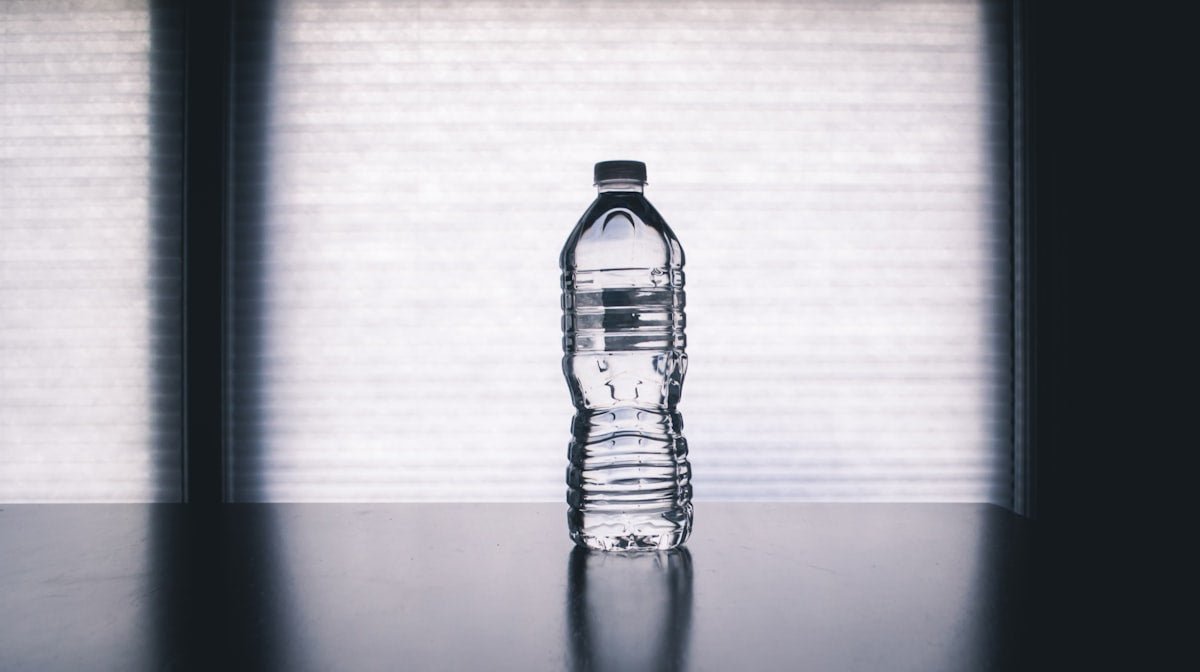
Alkaline water is one of the fastest-growing segments in the bottled water and filtration industry. It sells at a significant premium, comes with bold health claims, and has passionate advocates. It also has a substantial body of science that doesn't support most of those claims. Here's an honest look at the evidence.
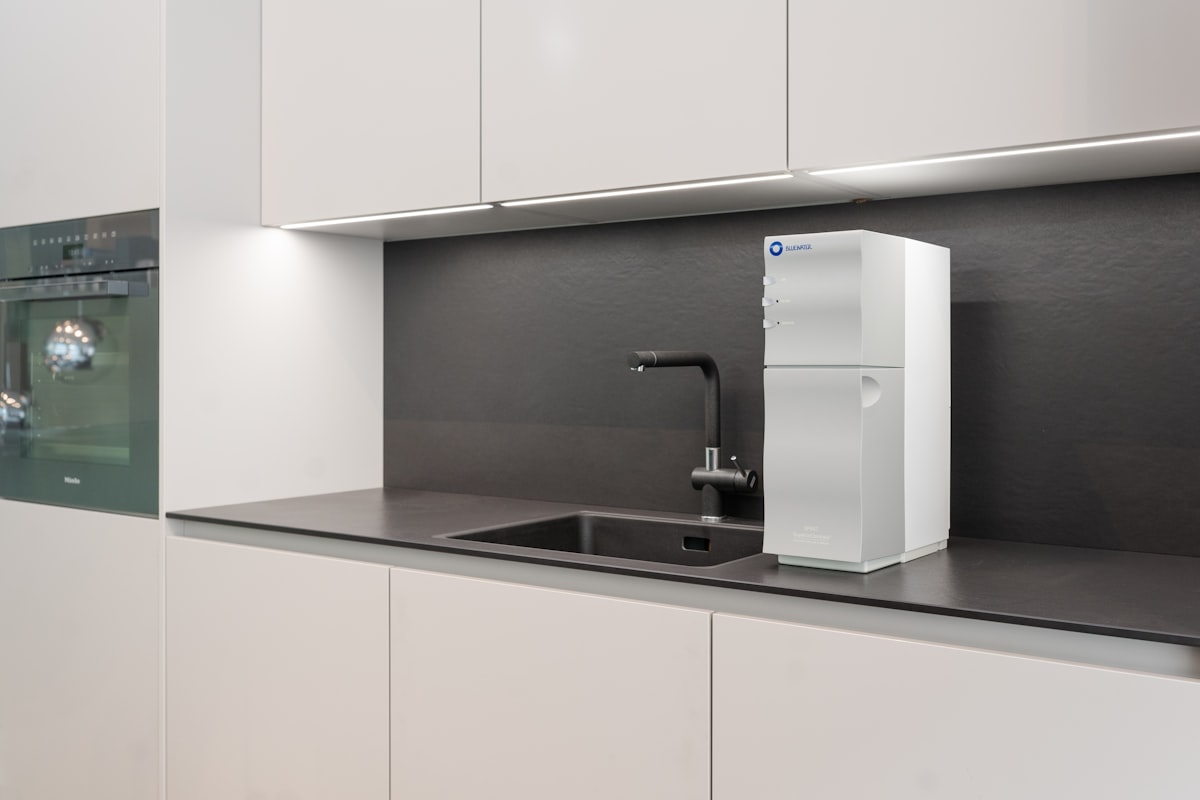
What Is Alkaline Water?
pH measures acidity or alkalinity on a scale of 0 to 14. Pure water is neutral at pH 7. Alkaline water has a pH above 7 — typically 8 to 10. Regular tap water varies between 6.5 and 8.5; municipal water is typically maintained between 7 and 8.
Alkaline water is produced two main ways: water ionizers use electrolysis to separate acidic and alkaline water streams, while natural alkalinity comes from dissolved minerals like calcium, magnesium, and bicarbonate. These two types are meaningfully different — though marketing rarely makes the distinction.
The Health Claims — and What Science Actually Says
"Alkaline water neutralizes acid in your body"
Your body maintains blood pH within an extremely narrow range (7.35–7.45) through powerful buffering systems in your lungs and kidneys. Drinking alkaline water doesn't measurably change your blood pH. If it did, you'd be in serious medical trouble — the condition is called alkalosis. Your stomach also neutralizes alkaline water to its own acidic pH (1.5–3.5) immediately upon ingestion.
"Alkaline water improves athletic performance and hydration"
A small number of industry-funded studies suggest minor benefits for post-exercise blood viscosity. The majority of independent research finds no meaningful difference in hydration or athletic performance compared to regular water. The International Society of Sports Nutrition does not endorse alkaline water for performance enhancement.
"Alkaline water prevents cancer"
This claim has no credible scientific support. Cancer cells create a more acidic microenvironment around themselves, but drinking alkaline water doesn't change the pH of tissues or tumors. The American Cancer Society specifically cautions against using alkaline water as a cancer prevention or treatment strategy.
"Alkaline water is better absorbed by cells"
No peer-reviewed research supports the claim that cellular water absorption differs based on the pH of drinking water within the normal range of consumption.
One area with reasonable evidence: acid reflux. A 2012 study found that alkaline water at pH 8.8 permanently inactivated pepsin (the enzyme that triggers reflux symptoms) in laboratory conditions. Some acid reflux patients report symptom relief. This is a narrow, specific application — not a general health benefit applicable to everyone.
The Real Cost of Alkaline Water
Premium bottled alkaline water costs $2–$4 per bottle — 1,000–2,000 times the cost of tap water. Water ionizers cost $1,000–$4,000 upfront. Meanwhile, a reverse osmosis system produces genuinely purified water — removing lead, PFAS, arsenic, nitrates, and hundreds of other contaminants — for pennies per gallon. RO water has a slightly lower pH (5.5–7) due to mineral removal, but purified water at neutral pH is far better than unfiltered water at pH 9.
When Alkaline Minerals Are Genuinely Valuable
Here's the nuance worth understanding: the minerals that make water naturally alkaline — calcium, magnesium, and potassium — are genuinely beneficial. Naturally hard water with high mineral content may offer real health value. But the benefit comes from the mineral content, not the pH. Ionized alkaline water with artificially elevated pH but low mineral content doesn't deliver the same benefit. Remineralized RO water achieves high mineral content at normal pH — best of both worlds.
Want high mineral content? Add a remineralization cartridge as a post-filter stage on your RO system. Want PFAS, lead, and arsenic removed? Get an RO system. Both goals are compatible — a remineralization stage on an RO system gives you purified, mineral-rich water without the alkaline water premium.
Frequently Asked Questions
Is alkaline water bad for you?
At pH 8–10, alkaline water is not dangerous for healthy adults with normal kidney function. The concerns are primarily financial and practical: you're paying a significant premium based on claims science doesn't well support, while possibly overlooking actual water quality issues that do matter.
Can alkaline water help with acid reflux?
There's limited evidence suggesting benefit, particularly at pH 8.8 for pepsin inactivation. It may offer supplementary relief for some patients, but it's not a substitute for medical treatment. Discuss with your physician before relying on it.
Should I buy an alkaline water filter?
Unless you have a documented specific reason, the money is better spent on a system that addresses real contaminants in your water. A reverse osmosis system with optional remineralization gives you clean, mineral-rich water — better filtration with equivalent or greater mineral content compared to most alkaline water products, at a fraction of the per-gallon cost.
Pure Water Backed by Science — Not Marketing
NSF-certified RO systems that remove what actually matters.
Shop RO Systems All Drinking Water Filters