
September 21, 2026
Why Does My Coffee Taste Different? Three Water Problems Behind It
Same beans. Same grind. Same barista. Different cup. If your coffee has drifted off in taste over the past few weeks or months and nothing in your process changed, the answer is almost never the beans. It's the water. And there are exactly three water problems that cause this: chlorine/chloramine, mineral imbalance, and scale buildup inside your equipment. Most operators only ever chase one of these. Fixing the wrong one is why the taste keeps coming back.
Start by Ruling Out the Obvious: Your Beans Didn't Change, Your Water Did
Roasters change roast profiles less often than most operators assume, and grind settings don't drift on their own. What does change constantly is your municipal water supply. Utilities adjust chlorine and chloramine dosing seasonally. Groundwater mineral content shifts with rainfall and drought. And your own equipment accumulates scale on a schedule that has nothing to do with your coffee program. If you've already ruled out grind, dose, and roast date, water is where you look next.
Cause 1: Chlorine or Chloramine Dosing Went Up
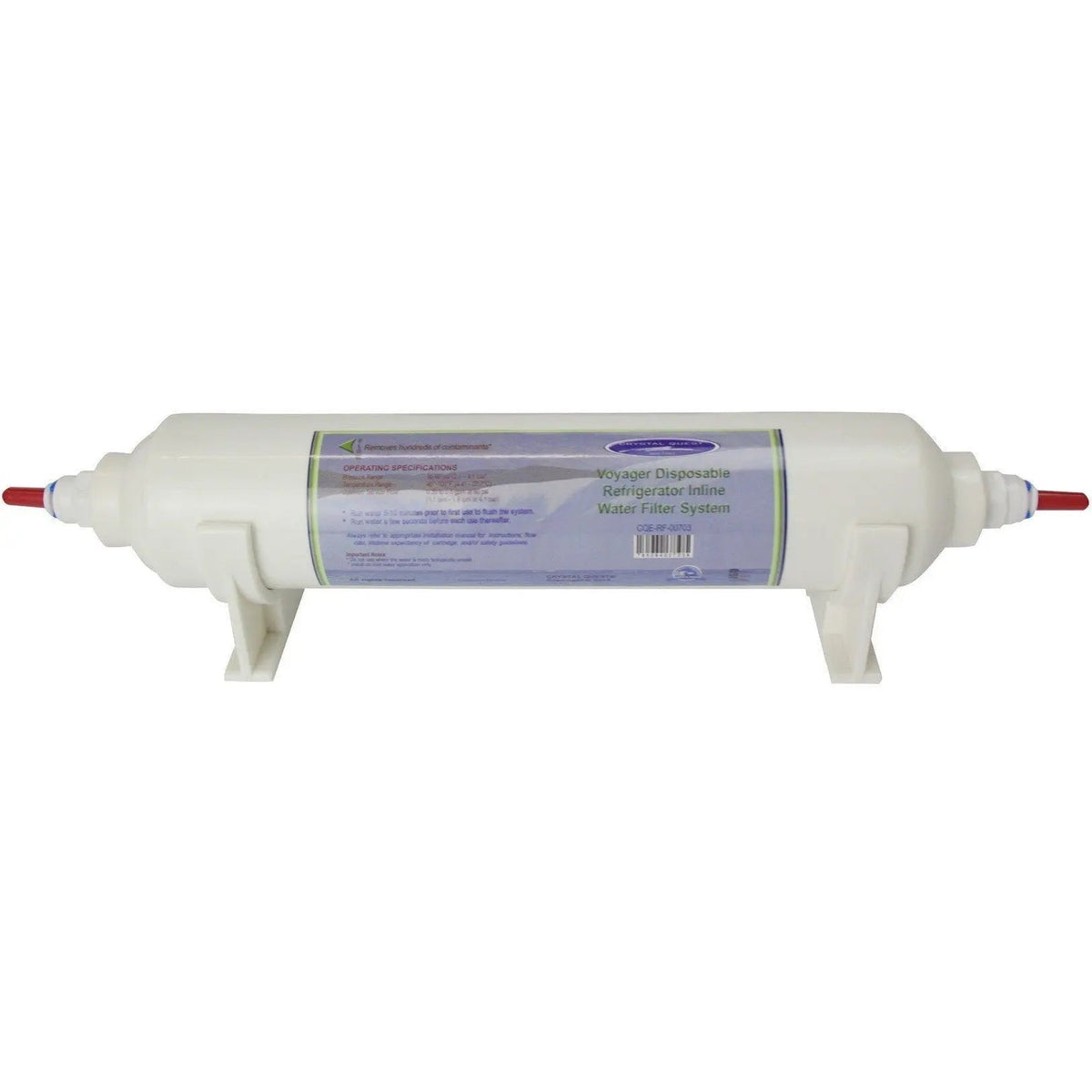
Chlorine and chloramine are added by municipal utilities to keep water safe in the pipe, not to make coffee taste good. When dosing increases, even slightly, it shows up in brewed coffee as a flat, chemical, or muted flavor that masks the roast's actual character. This is the single most common cause of "my coffee suddenly tastes off" complaints, and it's also the easiest to fix. A point-of-use inline filter installed directly ahead of the machine removes chlorine taste before it reaches the brew basket. For a single machine, the point-of-use inline filter handles this at low volume, while higher-traffic locations typically need the Commercial Single Inline Water Filter or the Commercial Triple Inline Water Filter for multi-stage capacity.
Cause 2: Mineral Balance Is Too High or Too Low
Coffee extraction depends on a specific mineral balance in your water, mainly calcium and magnesium. Too little mineral content and coffee tastes flat, sour, or thin, because there's nothing to bind with the extracted compounds. Too much, and coffee tastes chalky, dull, or muddled, because minerals are competing with flavor compounds during extraction. If your municipal water source changed, or if you switched between tap and a heavily treated source, this is often the culprit. Whole-location correction runs through pre-filtration paired with remineralization, such as the Big Blue Whole House Alkalizing/Remineralizing Filter or, for higher flow bar setups, the Eagle RM-1000 Alkalize/Ionize/Remineralizer. If your water is on the extreme hard end, a light commercial softener resets the baseline before remineralization even matters.
Cause 3: Scale Has Built Up Inside the Machine
Even with clean water going in, an espresso machine or brewer that's been running on hard water for months develops internal scale on heating elements and lines. Scale doesn't just risk equipment failure, it slows and unevenly distributes water flow through the group head or brew chamber, which directly changes extraction and taste. If descaling brings the flavor back temporarily but it fades again within weeks, the incoming water hasn't been corrected, only the symptom has. That points back to Cause 2 and the need for softening or filtration ahead of the machine, not more frequent descaling.
How to Tell Which One You Actually Have
A flat, chemical, "pool water" taste points to chlorine. A chalky, dull, or thin taste that shows up gradually points to mineral imbalance. A taste that only improves right after descaling and then declines again points to scale caused by untreated hard water reaching the machine. Most locations that ignore this end up dealing with all three at once, which is why a whole-location approach, like the pre-filtration covered in our Big Blue Triple pre-filtration system, is often more cost-effective than treating each machine separately. For a full breakdown of how these systems fit a food-service floor plan, see our Food & Beverage Water Filtration hub or the restaurant filtration buyer's guide. If reverse osmosis is on the table for your water profile, the RO pricing and sizing guide walks through what that actually costs.
If you're not sure which of the three is hitting your location, we can help you figure it out based on your water source and equipment. Request a quote and we'll walk through it with you.